
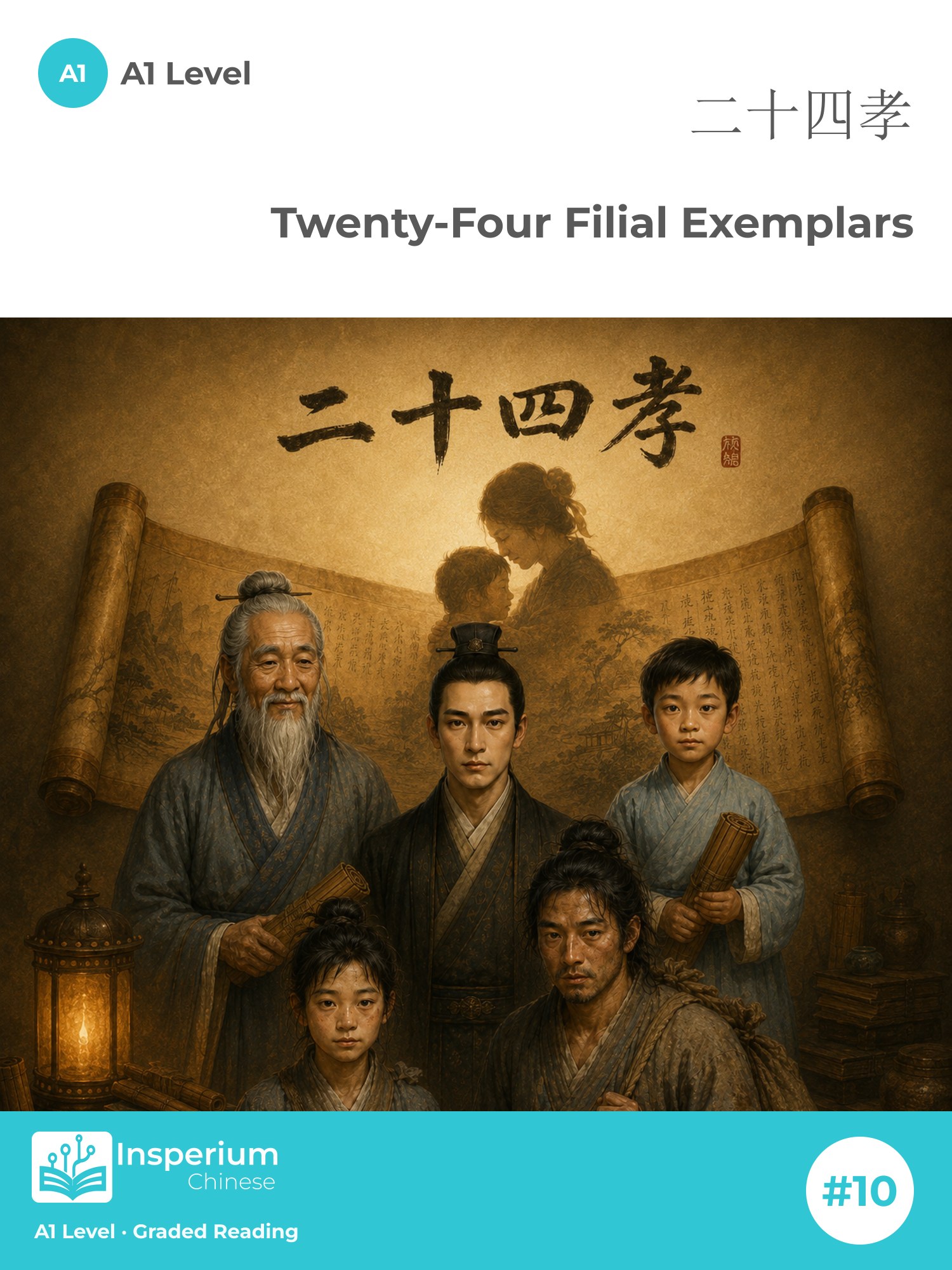
One purchase includes all six graded versions.
Twenty-Four Filial Exemplars
二十四孝
Devotion to parents, tested to the extreme
Traditional Chinese folklore · Yuan dynasty · drame, philosophique
A collection of celebrated tales in which sons and daughters go to astonishing lengths to honor and care for their parents. Tender, startling, and sometimes severe, each story holds up filial love as the highest of virtues.
Jette un œil à l'intérieur — compare les six niveaux
Le début · là où l'histoire commence — la version A1 :
Mots que tu collecterais dans ce passage :
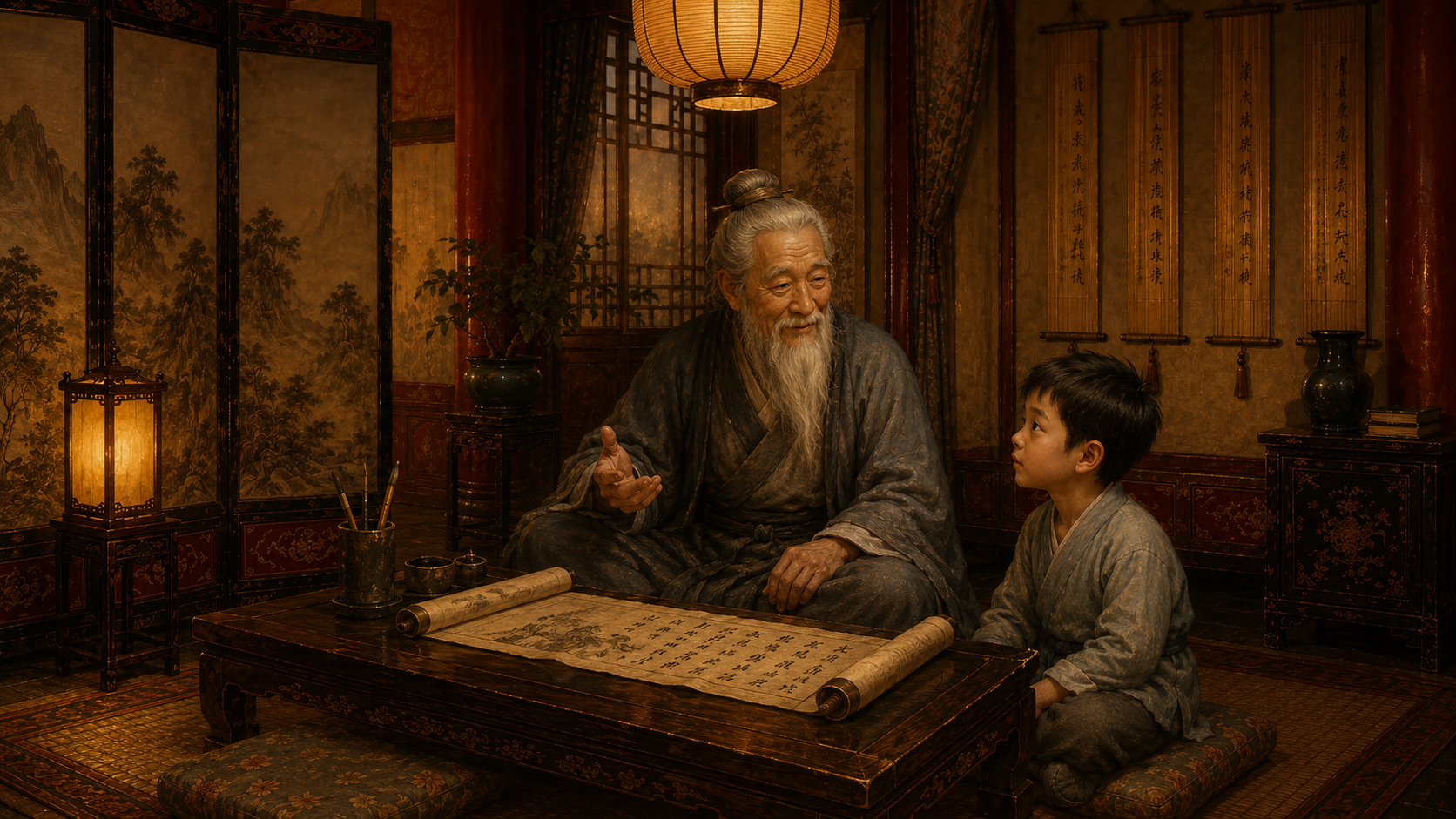 chaque chapitre est illustré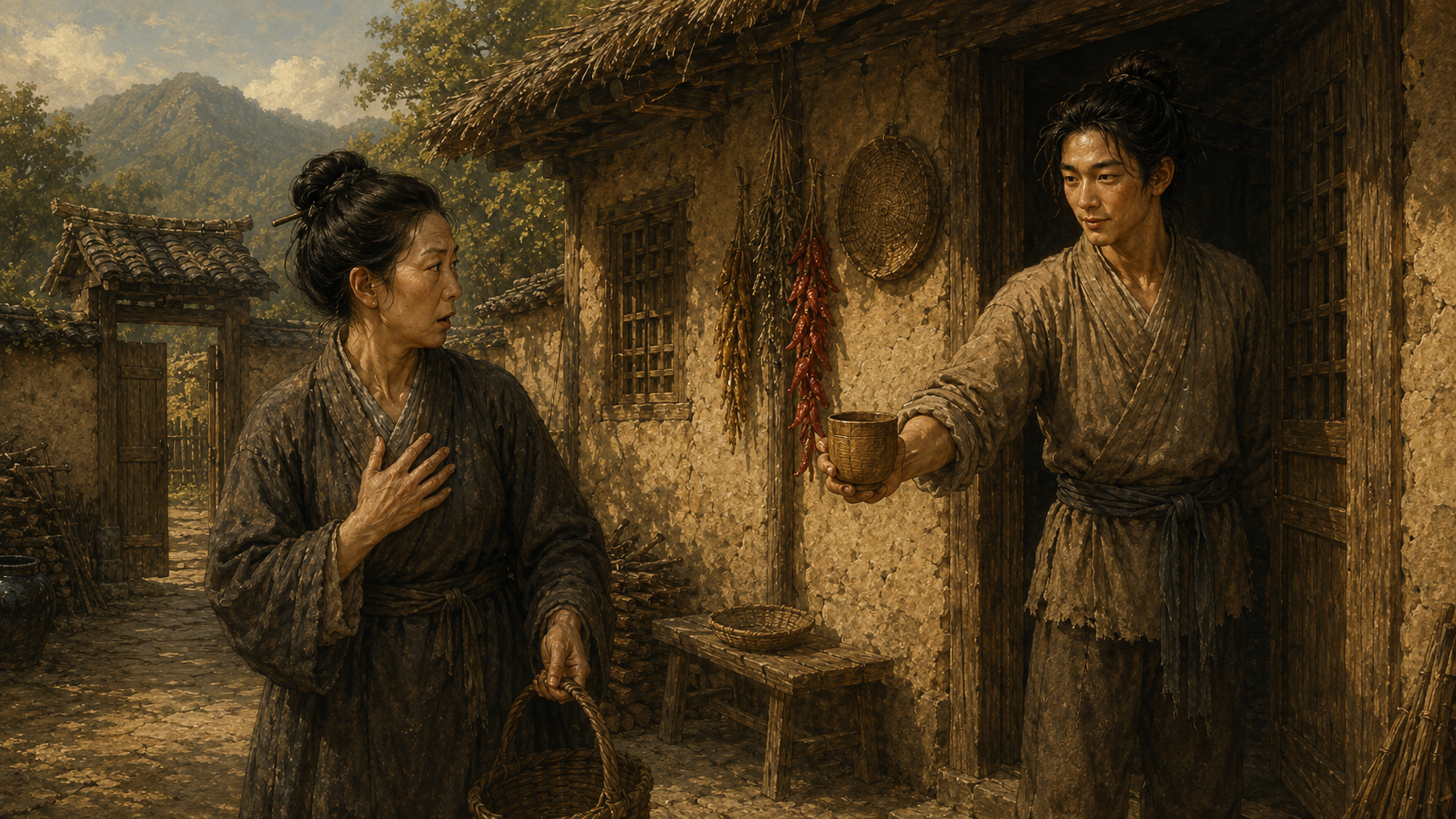
À mi-parcours · l'intrigue se corse — la version A1 :
Mots que tu collecterais dans ce passage :
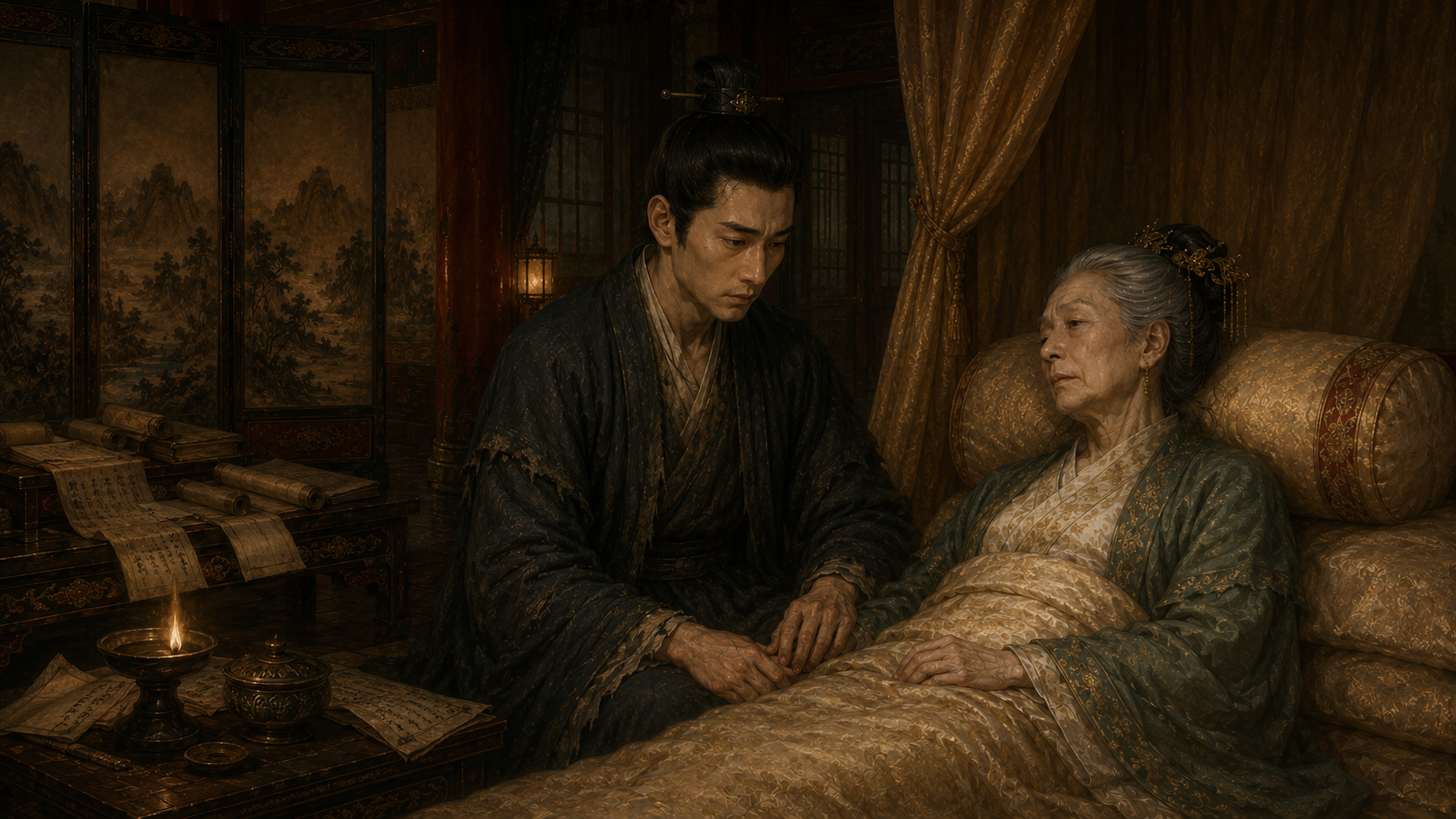
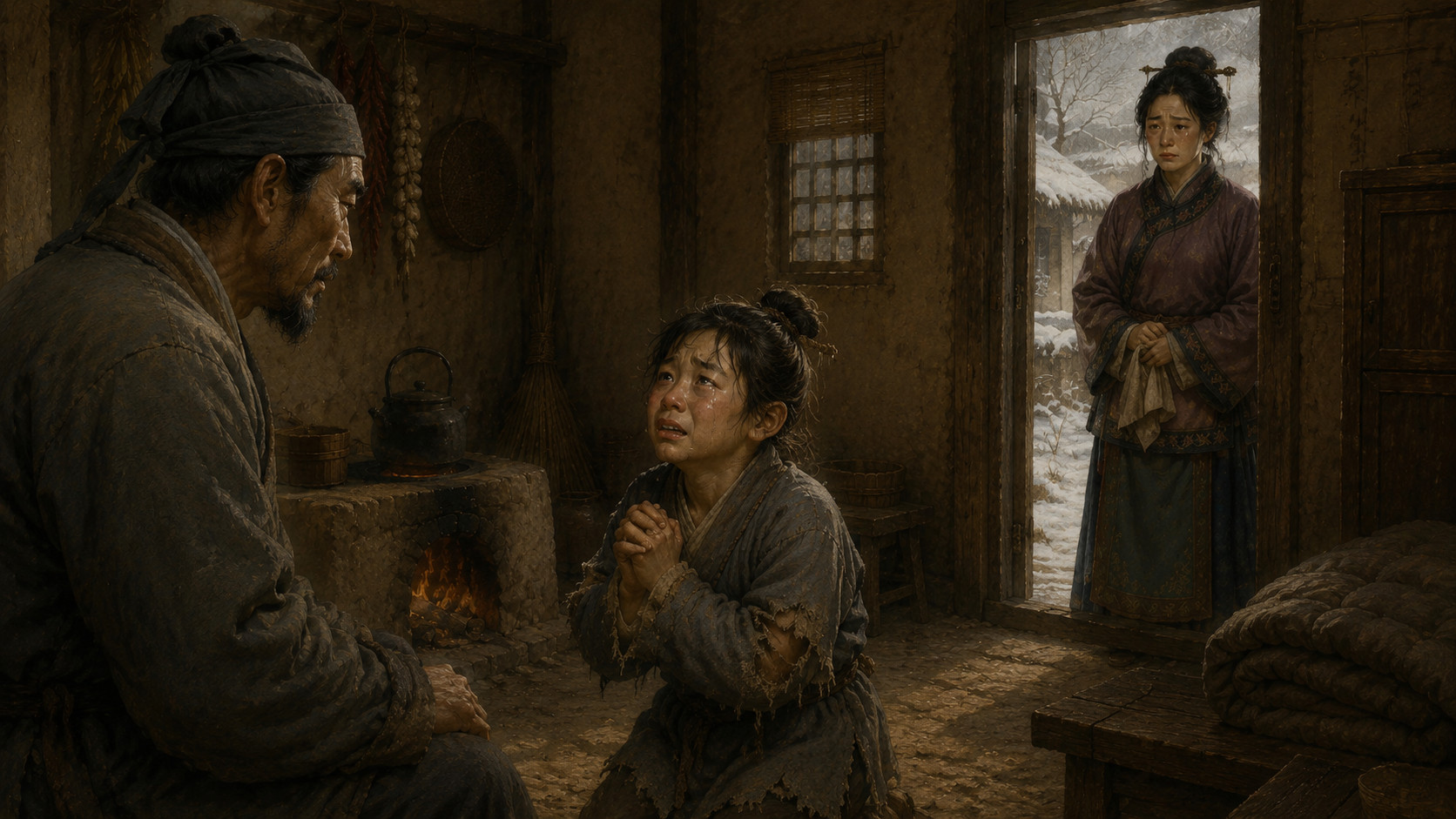
Vers la fin · pas de spoiler — juste la langue — la version A1 :
Mots que tu collecterais dans ce passage :
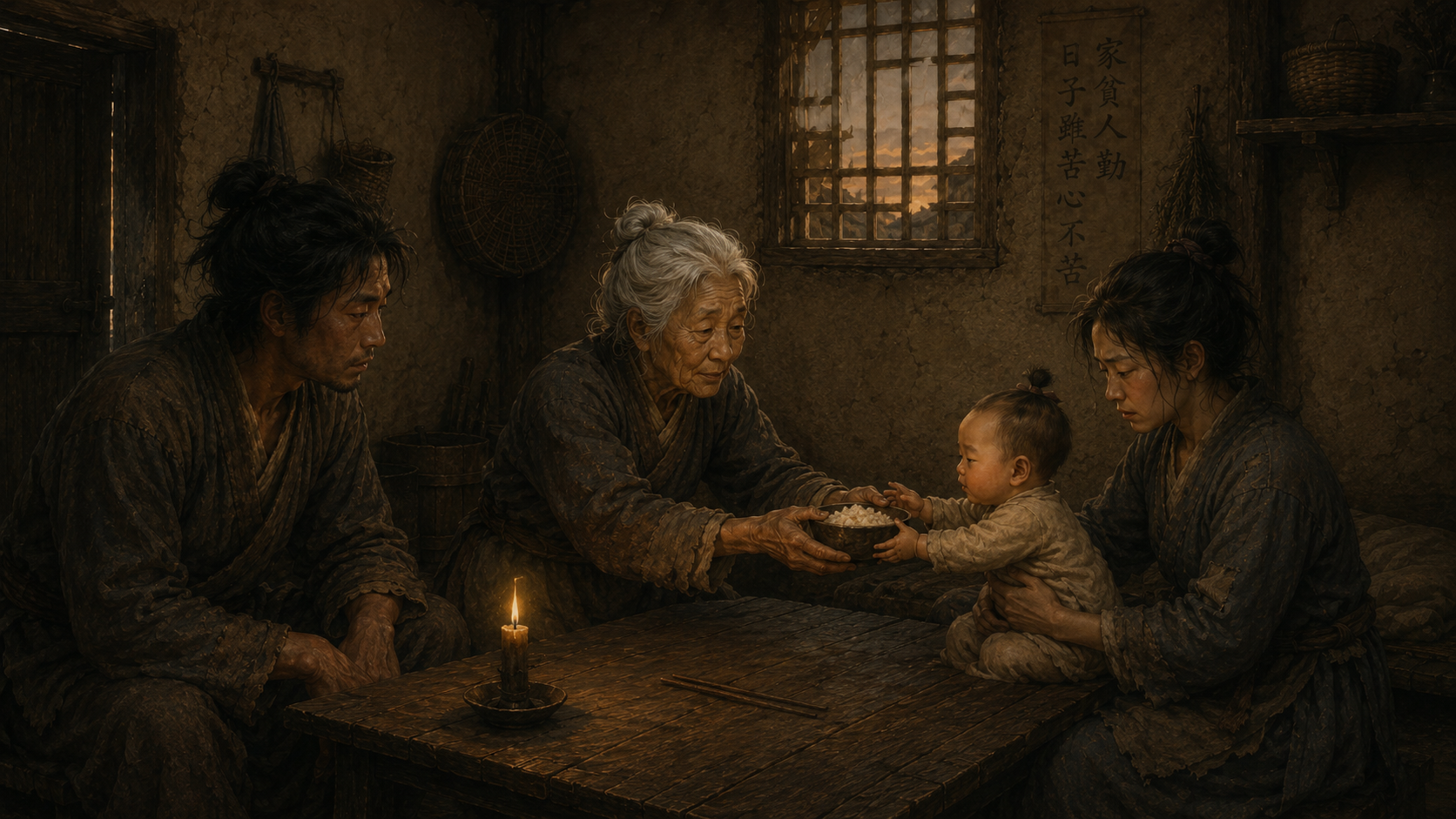
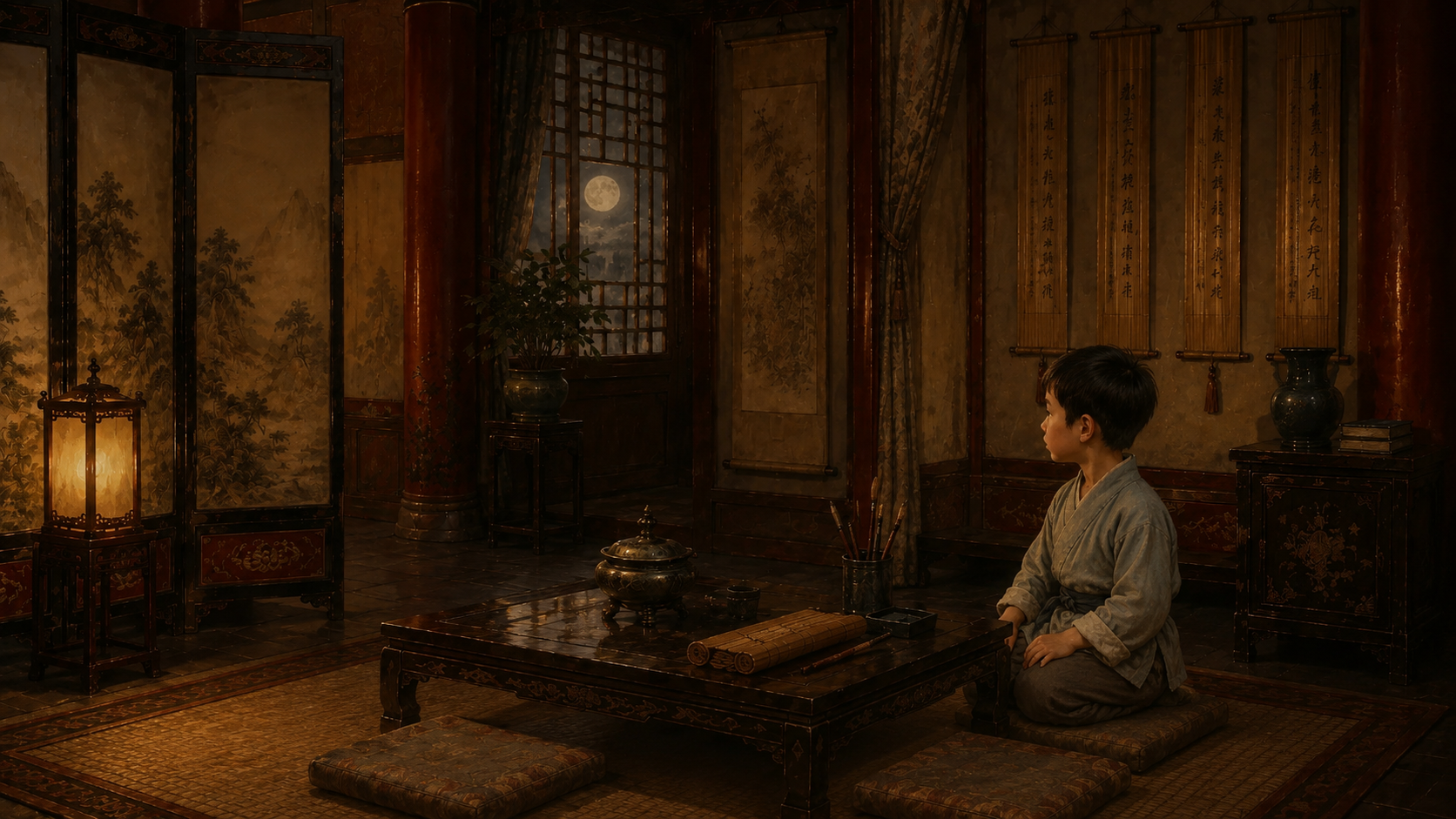
Quel niveau lire ?
Chaque version raconte toute l'histoire : A1 n'utilise que les ~1 500 mots les plus courants, C1 se rapproche de l'original. Choisis le niveau où tu connais presque chaque mot : lire doit ressembler à lire, pas à déchiffrer.
关于这本书 · À propos de ce livre
这本书是根据中国元朝郭居敬编的《二十四孝》改写的简单中文版。这本古老的书讲了二十四个儿子女儿对父母很好的故事。 Insperium Chinese 分级读物有两个目标。第一个,也是最重要的,是学习中文——用适合你水平的语言,让你的阅读一步一步进步,不让你太累。第二个目标是慢慢带你认识中国和世界的经典名著,这样你从 A1 一步一步学到 C1 的时候,也认识了每个有文化的读者都知道的重要故事。 这些书的每一个设计,都是为了让这段旅程尽可能轻松、有趣——读书就应该是读书的感觉,而不是「学习」的感觉。所以每一章都有精美的插画;所以每本书都有两个部分:Part A 在每个汉字上面都标了拼音,在你还在学习的时候陪着你;Part B 只有汉字,等你准备好了,再读一遍。 原版的小说很长。《三国演义》本来有一百多章,《红楼梦》有三十多个主要人物。我们在长度和语言难度上都做了很多简化,所以你现在就能读到这些故事。等你的中文更好的时候,原版的书还在那里等着你。 怎么使用这本书: 这本书有两个版本的故事。第一个版本(Part A)在每个汉字上面都有拼音。第二个版本(Part B)没有拼音——当你准备好了,可以试试不看拼音阅读。 在阅读之前,先看看「人物关系」和「重要词汇」这两页。这本书有插画,帮助你进入故事的世界。读完以后,你可以做后面的阅读理解题来检查你的理解。
This book is a simplified Chinese version of 'The Twenty-Four Filial Exemplars' (二十四孝), an ancient Chinese text compiled by Guo Jujing in the Yuan Dynasty (~14th century). The original contains twenty-four stories of extraordinary devotion by children to their parents. Insperium Chinese graded readers have two goals. The first and most important is language comprehension — Chinese at the right level to grow your reading step by step, without exhausting you. The second is a gradual introduction to the great classics of China and the wider world, so that as you climb from A1 to C1 you also meet the stories every educated reader knows. Everything about these books is built to make that journey as pleasant and entertaining as possible — reading should feel like reading, never like studying. That is why every chapter is fully illustrated, and why each book has two sides: Part A tells the story with pinyin above every character to carry you while you are still learning, and Part B tells it again in characters only, ready for the moment you are. The originals are large — Romance of the Three Kingdoms alone runs more than a hundred chapters, and Dream of the Red Chamber has over thirty principal characters. We have simplified them deeply, in both length and language level, so the story is reachable now. When your Chinese is ready, the originals will still be waiting. How to use this book: This book contains two versions of the story. The first version (Part A) has pinyin above every character. The second version (Part B) has no pinyin — try reading without it when you feel ready. Before you start, check the "Character Map" and "Key Vocabulary" pages. The book is illustrated throughout to help you sink into the world of the story. After reading, try the comprehension questions to check your understanding.
Personnages principaux

shùn
舜
Shun
Personnage principalA gentle young farmer whose stepmother and half-brother try again and again to kill him — yet he answers every cruelty with kindness, until heaven itself takes notice and raises him from the fields to the throne of all under heaven.
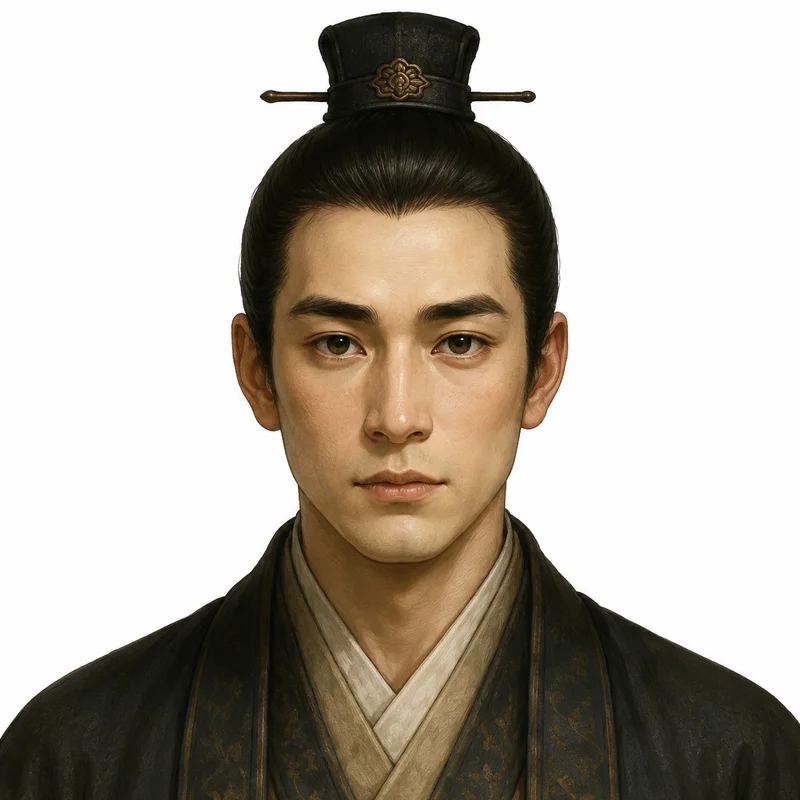
liú héng
刘恒
Liu Heng
Personnage principalThe most powerful man in China — Emperor Wen of Han — who for three long years left the affairs of state to others and sat by his sick mother's bed, tasting every bitter spoonful of medicine before it touched her lips.

wáng xiáng
王祥
Wang Xiang
Personnage principalA boy whose cruel stepmother falls ill and craves fresh fish in the dead of winter — so he strips off his clothes and lies upon the frozen river, melting the ice with his own body until two golden carp leap out to save her.
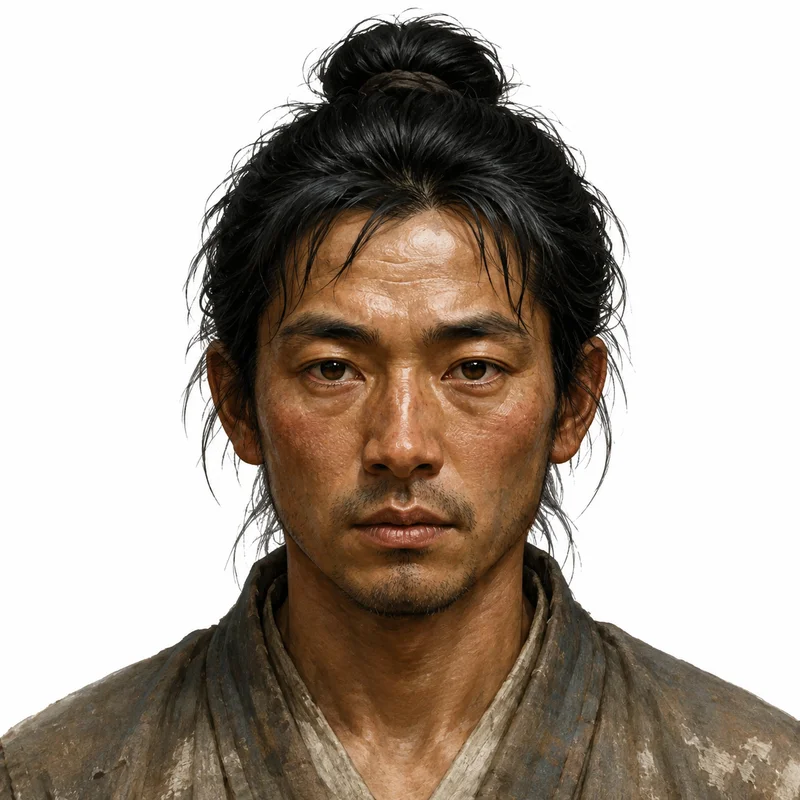
guō jù
郭巨
Guo Ju
Personnage principalA poor farmer who resolves to bury his own infant son so his aging mother will not go hungry — and, digging the grave, strikes a pot of gold sent by heaven, sparing them all.

mǐn sǔn
闵损
Min Sun
Personnage principalA boy whose stepmother padded his winter coat with reeds instead of cotton; when his shivering exposed her, he begged his father to forgive her — with mother here, only one son is cold.
Vocabulaire clé
Voici ce qui te sépare d'une lecture confortable de ce livre. Tu ne vas pas tout réviser : marque les mots que tu connais déjà et ils quittent la file pour de bon, pour que chaque minute d'étude aille aux mots qui bloquent vraiment ta lecture.
| 中文 | Pinyin | English | HSK | Your list |
|---|---|---|---|---|
| 打战 | dǎzhàn | to shiver (牙齿打战: teeth chattering) | 6 | |
| 井 | jǐng | well | 6 | |
| 在意 | zàiyì | to care about | 6 | |
| 端 | duān | to carry with both hands (端起碗: picked up the bowl) | 6 | |
| 扑 | pū | 扑通: thud | 6 | |
| 跪 | guì | kneel | 6 | |
| 嘴唇 | zuǐchún | lips | 6 | |
| 太太 | tàitai | wife | 5 | |
| 亮 | liàng | bright | 5 | |
| 吹 | chuī | blow | 5 |
Essaie le cours — voici le vrai exercice
Le cours a un seul but : te faire lire ce livre à ce niveau le plus vite possible. Chaque mot s'apprend en contexte réel — des phrases tirées de l'histoire, pas des listes de mots — et un système éprouvé de répétition espacée le ramène juste avant que tu l'oublies. Ton temps va uniquement aux mots que tu ne connais pas encore. Voici les cinq premiers du livre : retourne-les, évalue-toi et sens comment ça marche.
New items
Session stats
5 cards remaining
← Forgot | Space flip | → Remember
Lesson progress
LEARNED 0/5
Details
Word生气
shēngqì
get angry
appears 11× · first ~11% into the story
Round 1 of 4
Word examples
他不生气
tā bù shēng qì
He didn't get angry.
他很生气
tā hěn shēng qì
He was furious.
他不生气
tā bù shēng qì
He didn't get angry.
Feuillette le livre
Voici un véritable extrait de l'édition livre : couverture, personnages, vocabulaire clé et premières pages avec pinyin. Tourne les pages et vois exactement ce que tu obtiens.
Édition interactive — bientôt disponible
L'édition Insperium est celle qui t'apprend : pinyin et audio karaoké, chaque mot cliquable, le cours de vocabulaire complet et les six niveaux en un seul achat.
Ce que contient l'édition livre
- Partie A — l'histoire complète avec le pinyin au-dessus de chaque caractère
- Partie B — la même histoire en caractères seulement, pour quand tu seras prêt
- Des illustrations originales dans chaque chapitre
- Le vocabulaire clé au début + la liste complète des mots à la fin
- Structures de phrases et notes de grammaire avec des phrases à essayer
- Des questions de compréhension pour vérifier ce que tu as compris
Éditions brochée et e-book
Tu préfères le papier ou ta liseuse ? Les éditions imprimées et en librairie arrivent.
Lis librement
Chaque niveau comprend le pinyin et un audio karaoké qui suit ta lecture — pour suivre même quand la grammaire est nouvelle.
Maîtrise le niveau, pas seulement le livre
Le vocabulaire du livre est un cours complet de répétition espacée. Il ne fait travailler que les mots que tu ne connais pas encore, dans des phrases de l'histoire, et revoit chacun juste avant que tu l'oublies : le chemin le plus rapide pour lire ce niveau à l'aise, ici et dans chaque livre suivant.
Twenty-Four Filial Exemplars arrive bientôt
Prépare-toi dès maintenant : apprends les caractères dans lesquels il est écrit, les plus courants d'abord.